For years, the standard advice was clear: “don’t exert yourself, rest”. However, medicine has evolved and we now know that, in most situations, staying in bed as a matter of course can be counterproductive.
The science is clear that adapted physical exercise is not only safe, but also a key part of helping the body cope better with the process.
The main international oncology societies no longer see exercise as an optional “extra”, but as a therapeutic tool to help the body withstand the toxicity of treatments, whether chemotherapy, radiotherapy, immunotherapy or hormone therapies.
Exercise as a shield and medicine
This is not about training for a marathon, but about using appropriately dosed movement to protect your body on three critical fronts:
- Overcoming cancer-related fatigue: it reduces the extreme tiredness that often accompanies the process and which, surprisingly, does not improve simply by sleeping more.
- Physical protection: it helps preserve muscle mass and bone density, which are often weakened by medication, maintaining your independence.
- Emotional wellbeing: it improves mood and perceived health at times of constant uncertainty, reducing the feeling of isolation.
How to start without fear
Starting does not mean improvising. For exercise to truly act as medicine, an initial assessment must take into account the type of cancer, your stage of treatment, your current symptoms and your personal history of movement.
From there, in our Empenta Programme, we build a progressive, adaptable plan tailored to how you feel each day. Your body is still yours, and supervised exercise is the best tool to help it become stronger when it needs it most.
Sources

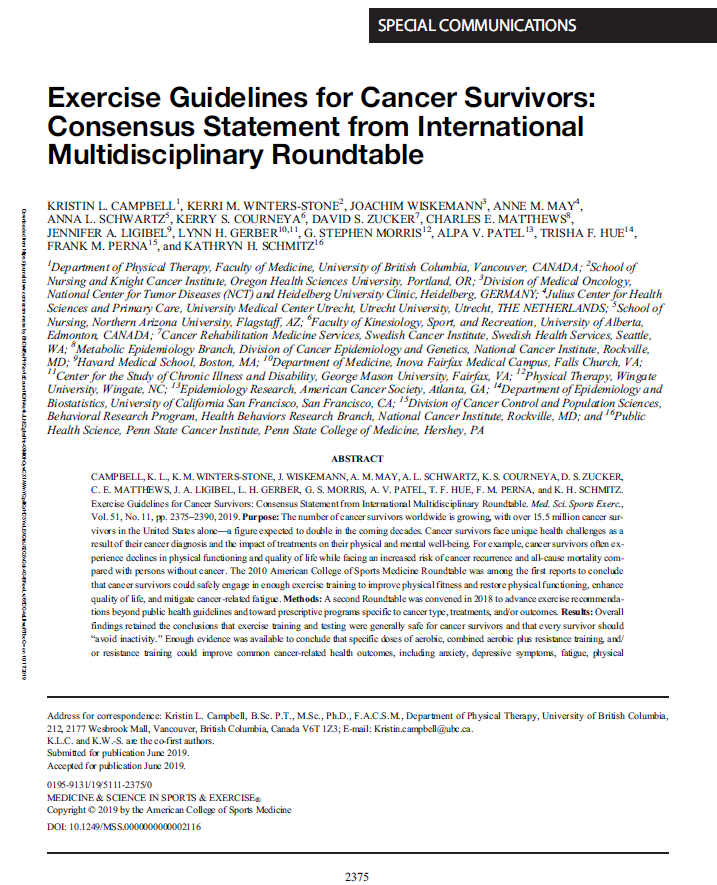

Written by
Miquel Galmés
Physiotherapist · Exercise and cancer-related pain
Physiotherapist with more than 7 years of hospital experience supporting people during and after cancer.
Do you have more questions?
We know this topic raises many questions: what type of exercise is safe, when to start, and what to do if you have fatigue, pain, metastases, anaemia or fear of moving. You can consult our Frequently Asked Questions to find answers to the most common questions.