Direct answer: exercise does not replace medical treatments (chemotherapy, radiotherapy, immunotherapy, hormone therapy or surgery), but it is one of the most powerful biological stimuli that exist.
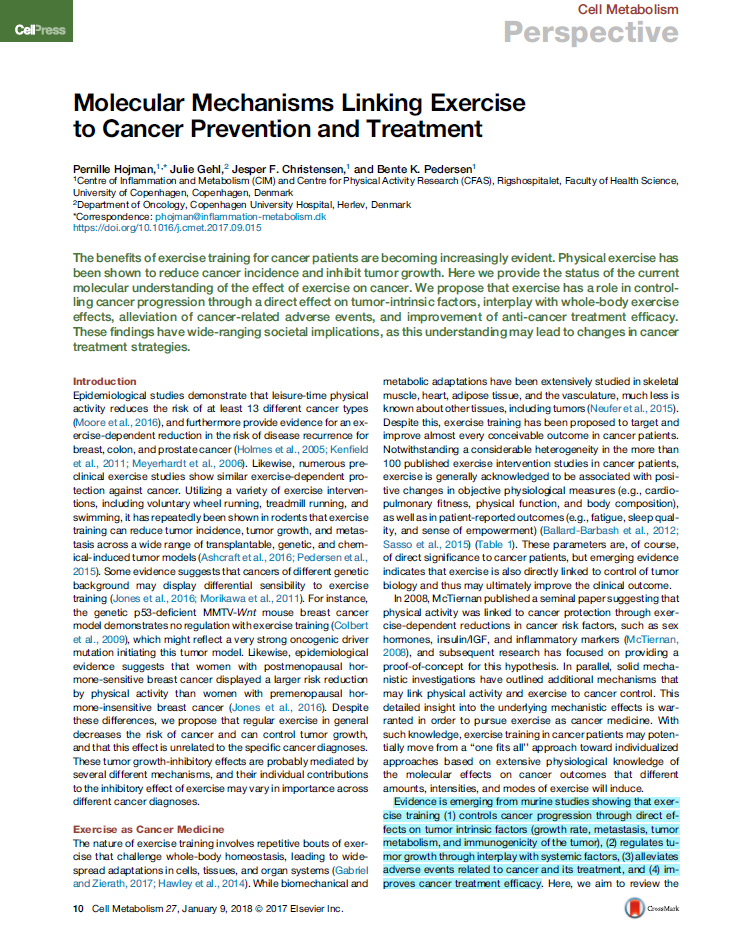
The evidence shows that properly prescribed exercise at an appropriate intensity can mobilise the immune system, reduce inflammation and modify mechanisms related to the tumour microenvironment. We are not talking about a simple “gentle walk”; we are talking about using movement to put the body in the best biological condition to face the disease and maximise treatment effectiveness.
When you receive a cancer diagnosis, it is normal to feel that medicines have complete control and your body is merely a passive setting. But current oncology research tells a different story: you have an active biological tool in your muscles.
The problem with our modern environment
A hundred years ago, daily physical activity levels were extremely high out of sheer necessity for survival. Our genome evolved expecting that level of constant movement.
Today, extreme inactivity has created a disconnect: we spend hours sitting, which favours an environment of chronic low-grade inflammation. And chronic inflammation can favour an environment more comfortable for tumour progression.
That is why exercise is not an “extra” to feel good. It is a way of returning the body to the physical environment it was designed for, reducing that inflammation and creating biological conditions much more hostile to the disease.
How exercise influences the tumour
Intense exercise acts on the tumour microenvironment (the environment in which the tumour lives) through 3 very specific mechanisms:
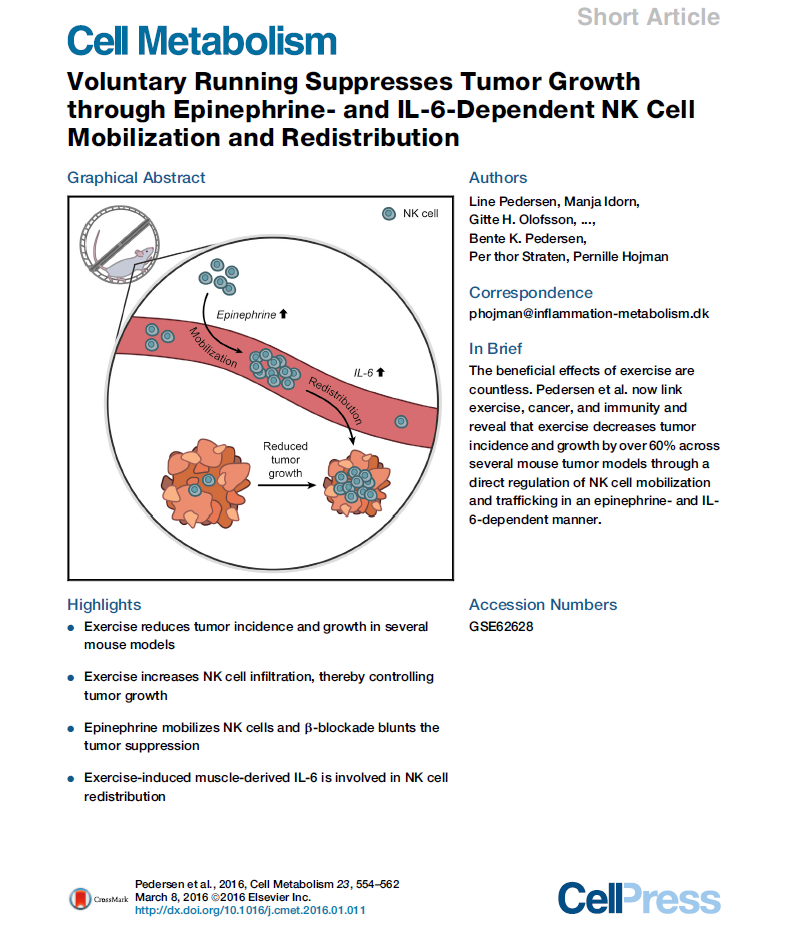
- Mobilising the body’s defences: when you make an effort that requires a certain intensity, the body releases adrenaline. This hormone acts as an alarm signal that mobilises NK or Natural Killer cells (a type of white blood cell) and T lymphocytes, releasing them into the bloodstream.
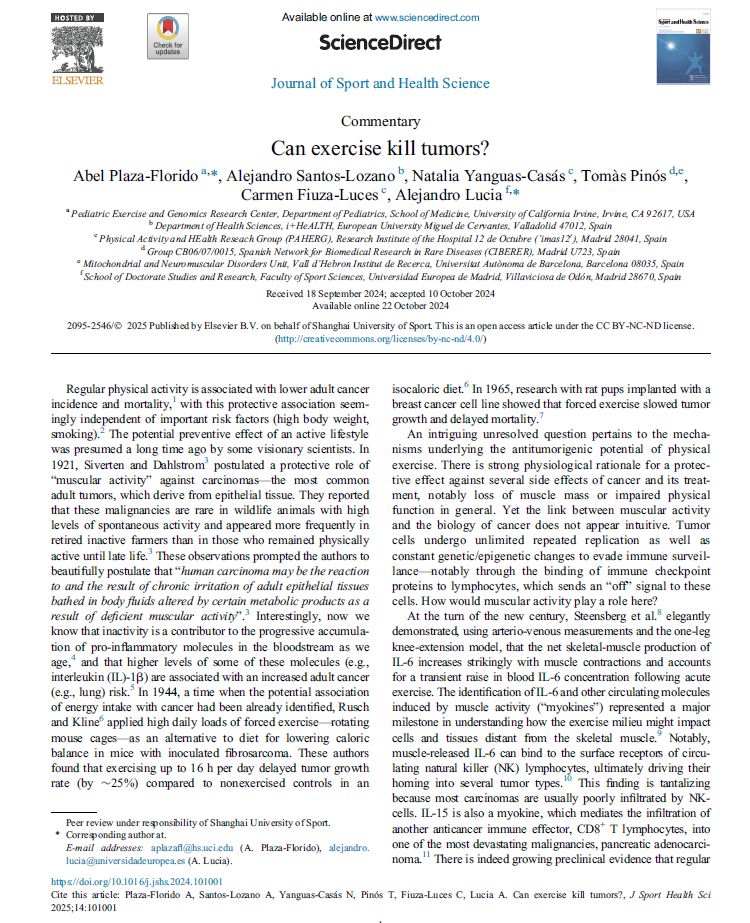
- Muscle as an internal pharmacy: every time you contract a muscle against resistance, it releases myokines (such as IL-6). These substances travel through the blood and act as “guides” that help immune cells infiltrate tissues more effectively.
- Improving blood supply: a tumour often has chaotic blood vessels that prevent chemotherapy medicines from reaching all its parts effectively. Aerobic exercise helps normalise this vascularisation, which could theoretically improve the delivery of medical treatment to the tumour.
In the laboratory, this cascade of events has been observed to slow tumour growth. In humans, we know that it radically improves treatment tolerance and positively alters the metabolic environment.
Going out to buy bread is not exercise
This is the biggest misunderstanding. A gentle walk is excellent if you are experiencing a peak of severe toxicity, considerable pain or extreme fatigue. But to generate the biological changes that mobilise NK cells and release myokines, intensity is needed.
Muscle needs a real stimulus (strength, resistance) to react. Of course, this does not mean training to failure or preparing for the Olympics while undergoing chemotherapy. It means adjusting the dose. As Mario puts it perfectly:

“You need to train at an intensity you can recover from.”
Mario RedondoConclusion: regain control
Can exercise slow a patient’s tumour on its own? No. Promising that would be false, and conventional cancer treatments (chemotherapy, radiotherapy, immunotherapy, surgery) are the foundation of your recovery.
But treatments cannot do all the work on their own. Physical exercise should be integrated as another intervention within your cancer care. It is the only tool with scientific evidence capable of altering your immune system, your metabolism and reducing inflammation in your body.
In our Empenta Programme, we do not tell you to “go for a walk”. We prescribe exercise as part of your overall treatment: measuring your daily fatigue, your treatment cycles and your physical condition. The aim is clear: to prepare your biological environment so that medicines work better and your body stops being a spectator and becomes an active participant in your recovery.
Sources

Written by
Jaume Sansó
Physiotherapist · Exercise and cancer
Physiotherapist with more than 7 years of hospital experience supporting people during and after cancer.
Do you have more questions?
We know this topic raises many questions: what type of exercise is safe, when to start, and what to do if you have fatigue, pain, metastases, anaemia or fear of moving. You can consult our Frequently Asked Questions to find answers to the most common questions.